Your Garden Has an Army — You Just Have to Stop Killing It
Every gardener I know has reached for a spray bottle at some point without stopping to ask a simple question: what exactly is that bug doing? The truth is, the vast majority of insects you'll encounter in a healthy garden are either neutral or actively working in your favor. The ones causing real damage are usually a small minority — and the good news is, nature has already deployed a counterforce. You just have to know who your allies are.
Here are twelve of the most beneficial insects you can find in a New England garden, what they do, how to identify them, and how to make your space more welcoming to them.

1. Ladybugs (Coccinellidae)
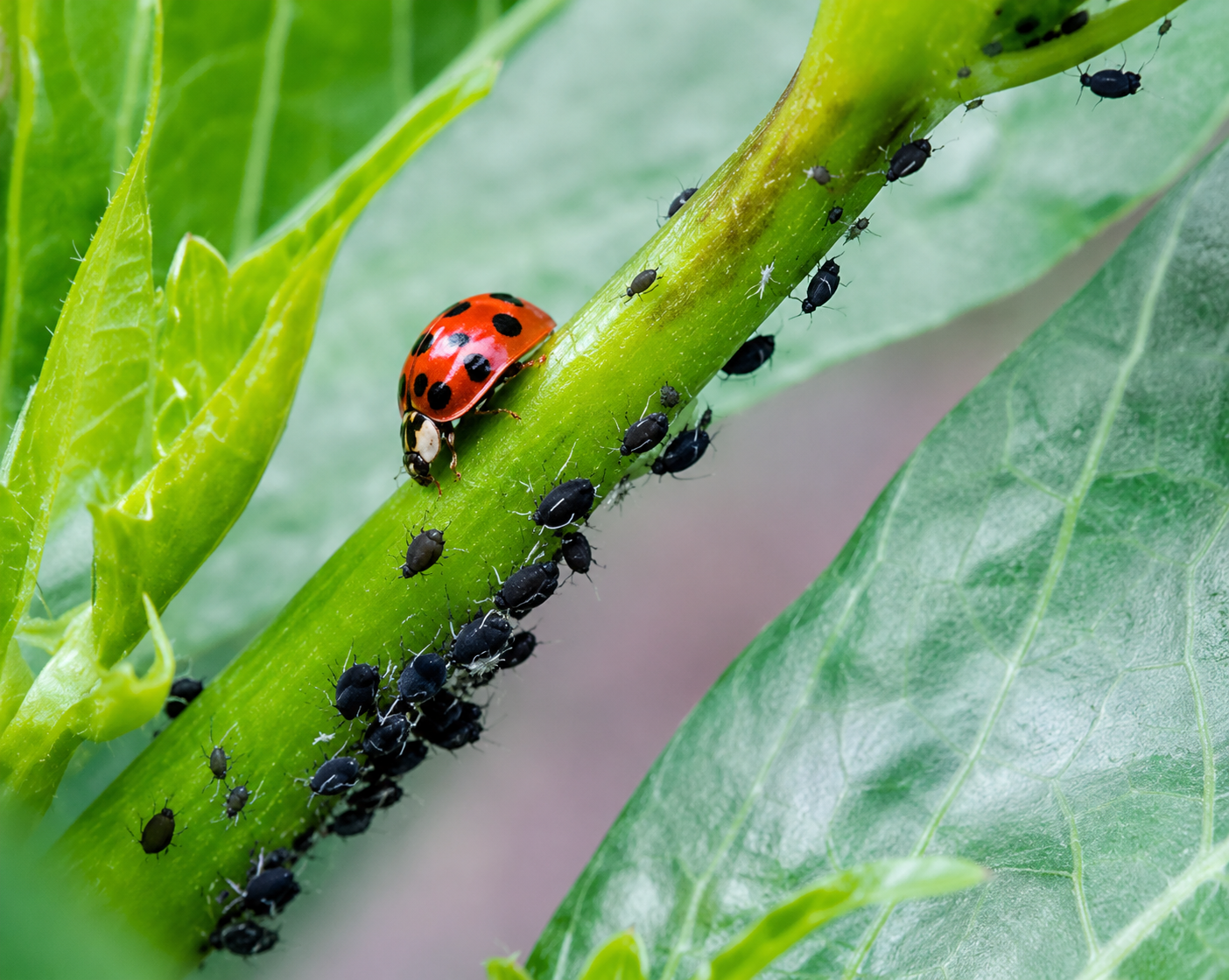
The poster child of beneficial insects, and for good reason. A single adult ladybug can consume up to 5,000 aphids over its lifetime, and their larvae are even more voracious. Both adults and larvae feed on aphids, scale insects, mealybugs, and mites — exactly the soft-bodied pests that love to colonize your tomatoes, roses, and fruit trees.
Look for the classic red-and-black dome shape, but don't overlook the spotted orange, yellow, or even black varieties — there are over 450 species in North America. The larvae look like tiny orange-and-black alligators and are often mistaken for harmful bugs. Don't squish them.
How to attract them: Plant dill, fennel, yarrow, and marigolds. Avoid broad-spectrum pesticides, which kill ladybugs just as efficiently as they kill aphids.
2. Ground Beetles (Carabidae)
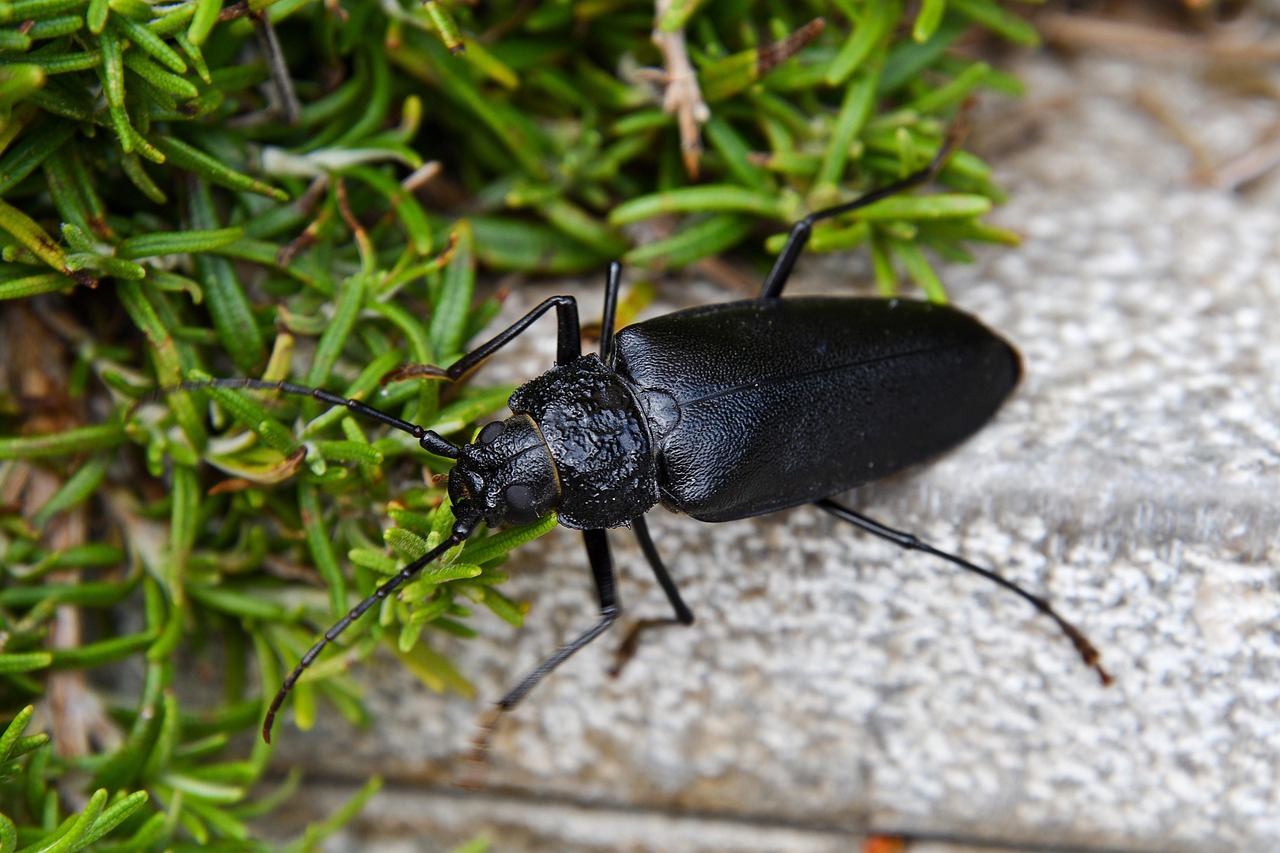
These fast-moving, shiny black beetles are nocturnal predators that patrol the soil surface hunting for cutworms, slugs, Colorado potato beetle larvae, and caterpillars. They're not glamorous — you'll usually find them under boards or rocks during the day — but they're doing critical work every night.
Many species also feed on weed seeds, which adds a bonus layer of garden management you didn't have to do yourself.
How to attract them: Mulch generously and maintain permanent beds where ground beetles can overwinter. They need undisturbed soil and cover to thrive.

3. Lacewings (Chrysoperla spp.)
Adult lacewings are delicate, almost ethereal-looking insects with large, veined wings and golden eyes. They feed primarily on nectar and pollen. But their larvae — sometimes called aphid lions — are ferocious predators that consume aphids, thrips, whiteflies, leafhoppers, and small caterpillars at an impressive rate.
Lacewing eggs look like tiny white spheres on thin stalks, usually attached to the underside of leaves. If you see them, leave them alone.
How to attract them: Plant dill, coriander, angelica, and other members of the carrot family. Lacewings are also commercially available for purchase and release if you have a serious aphid problem.
4. Parasitic Wasps (multiple families)
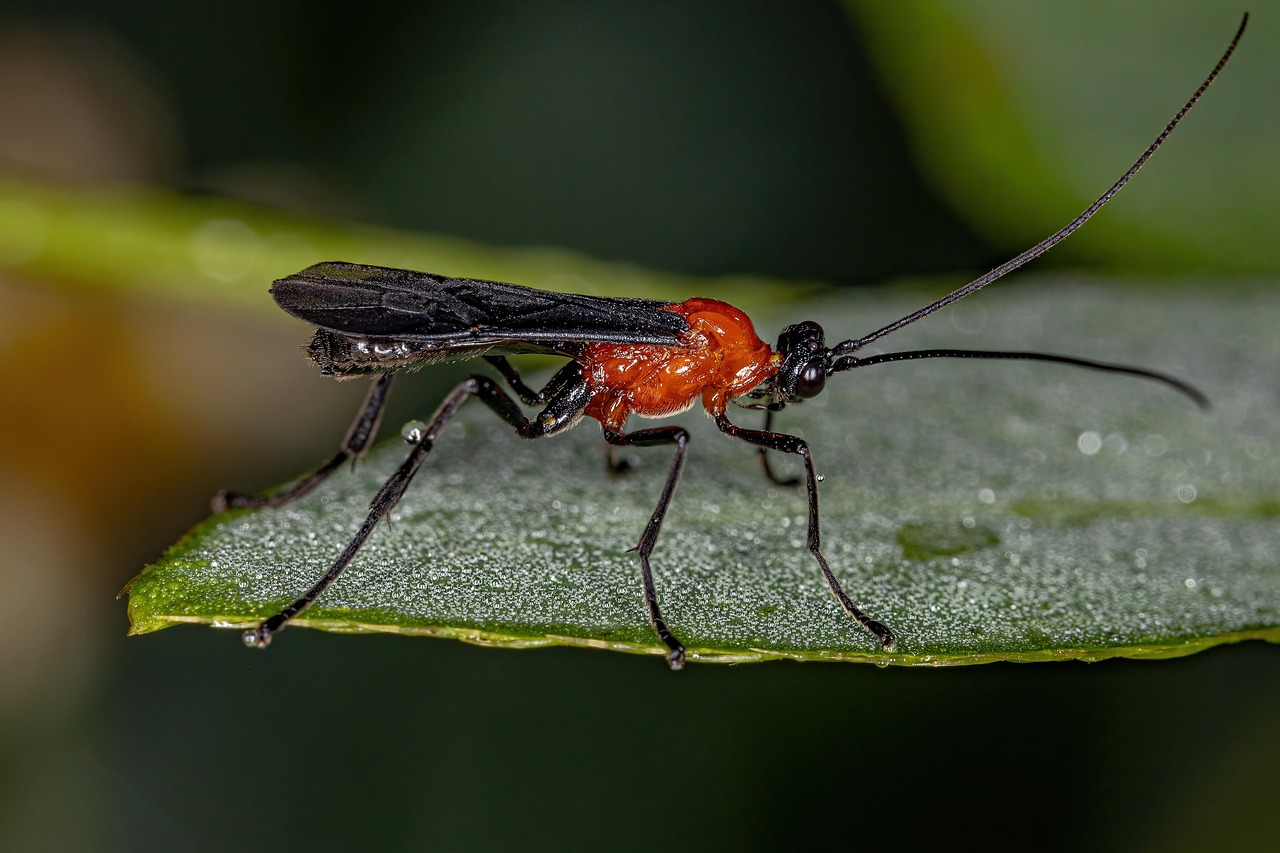
This one makes some gardeners nervous, but parasitic wasps are among the most effective biological controls in existence. Species like Trichogramma wasps lay their eggs inside the eggs of garden pests — including tomato hornworm, cabbage loopers, and corn earworms — preventing them from ever hatching. Braconid wasps parasitize caterpillars and aphids directly.
If you've ever seen a tomato hornworm covered in tiny white rice-shaped cocoons, you've already witnessed parasitic wasps at work. Leave that caterpillar alone — it's a wasp nursery now, and those wasps will go on to protect the rest of your garden.
These wasps are tiny (often less than 1/8 inch) and virtually never sting humans. They are completely harmless to you and devastating to pests.
How to attract them: The carrot family is your best friend here — dill, fennel, Queen Anne's lace, parsley allowed to flower, and yarrow all provide the nectar adult parasitic wasps need.

5. Hoverflies (Syrphidae)
Hoverflies are masters of disguise, mimicking the yellow-and-black coloring of bees and wasps to deter predators. They can't sting, they're completely harmless, and their larvae are aphid-eating machines. Adults are important pollinators, often visiting flowers that bees overlook.
You'll see them hovering motionless in the air before darting to a new position — that hovering behavior is the key identification feature. Bees and wasps don't hover like this.
How to attract them: Plant phacelia, sweet alyssum, marigolds, and flowering herbs. Hoverflies are especially fond of small, open flowers that give them easy access to nectar.

6. Minute Pirate Bugs (Orius spp.)
Don't let the name fool you — these tiny black-and-white insects are relentless predators that punch well above their weight class. They feed on thrips, spider mites, aphids, whiteflies, and small caterpillars, piercing their prey and sucking out the contents.
They're one of the earliest beneficial insects to become active in spring, which makes them especially valuable for protecting early-season crops. You'll find them in flowers and on vegetable foliage, often moving quickly across leaves.
How to attract them: Goldenrod, daisies, and other composite flowers are their preferred habitat. They overwinter in plant debris, so resist the urge to clean up every corner of the garden in fall.
7. Spined Soldier Bugs (Podisus maculiventris)
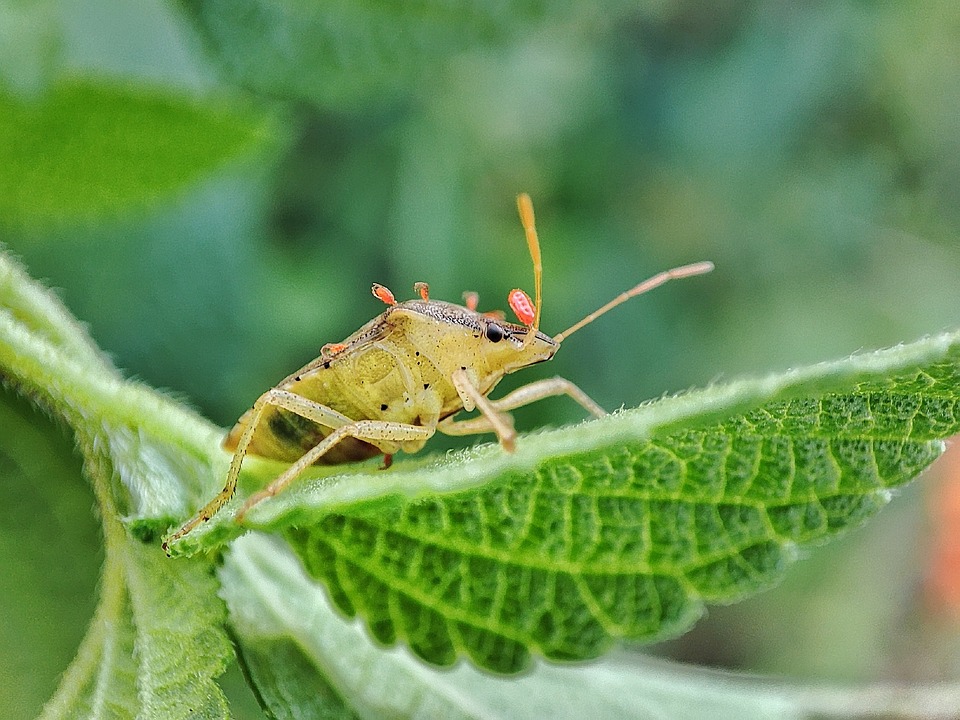
Often confused with the destructive brown marmorated stink bug, the spined soldier bug is actually a beneficial predator. The key difference is the sharp, prominent spines on its shoulders — which give it its name — and its more aggressive, hunting behavior.
These bugs prey on over 100 species of pest insects, including Colorado potato beetle larvae, Mexican bean beetle larvae, fall armyworms, and caterpillars of all kinds. They inject a digestive enzyme into their prey and consume the liquefied contents.
How to attract them: Permanent perennial plantings and diverse flowering plants provide shelter and habitat. They also benefit from patches of goldenrod and native grasses.
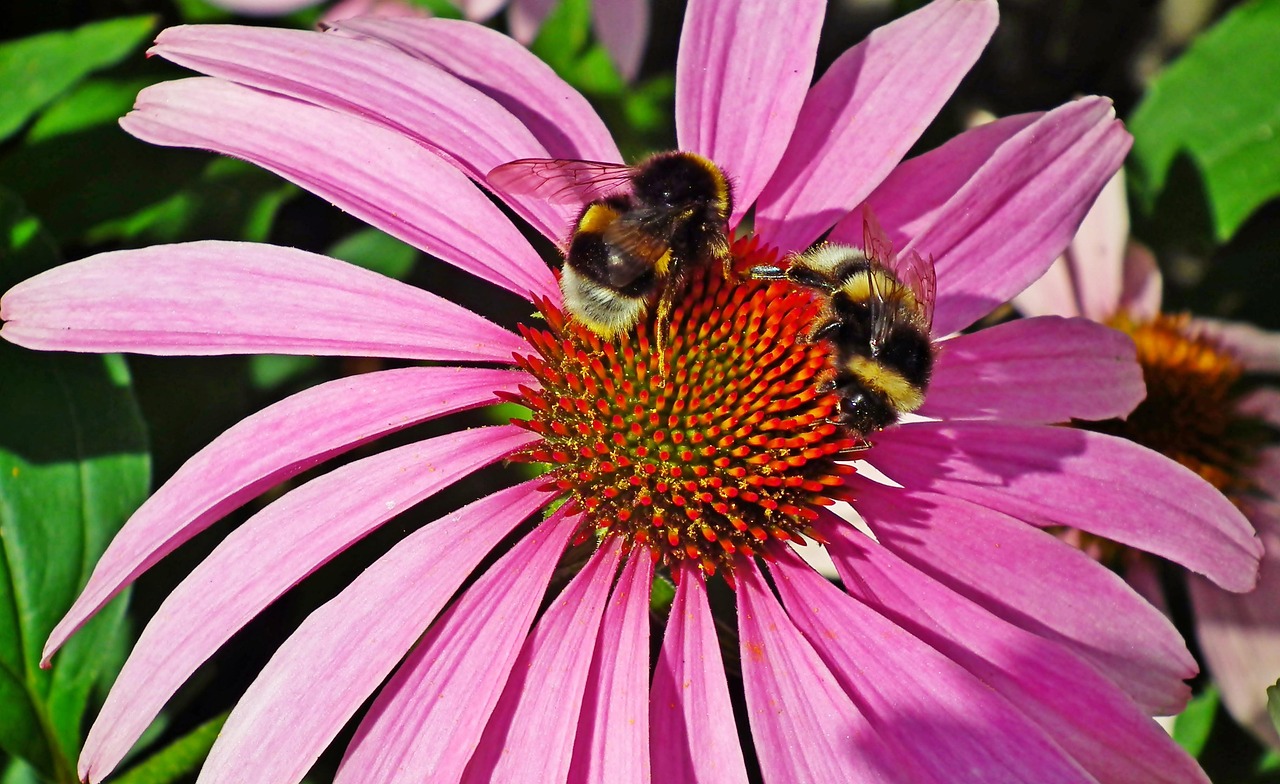
8. Bumblebees (Bombus spp.)
You know bumblebees. You love bumblebees. But it's worth understanding just how valuable they are beyond general pollination. Bumblebees perform buzz pollination — also called sonication — where they vibrate at a specific frequency to shake pollen loose from flowers that other pollinators can't access. Tomatoes, peppers, eggplants, and blueberries all benefit enormously from this.
Unlike honeybees, bumblebees are native to North America and are perfectly adapted to New England's cooler springs. They're active on days when honeybees stay home.
How to attract them: Leave patches of bare ground for ground-nesting species. Plant native wildflowers, especially monarda (bee balm), coneflowers, and native clovers. Don't mow everything — let some areas go a little wild.
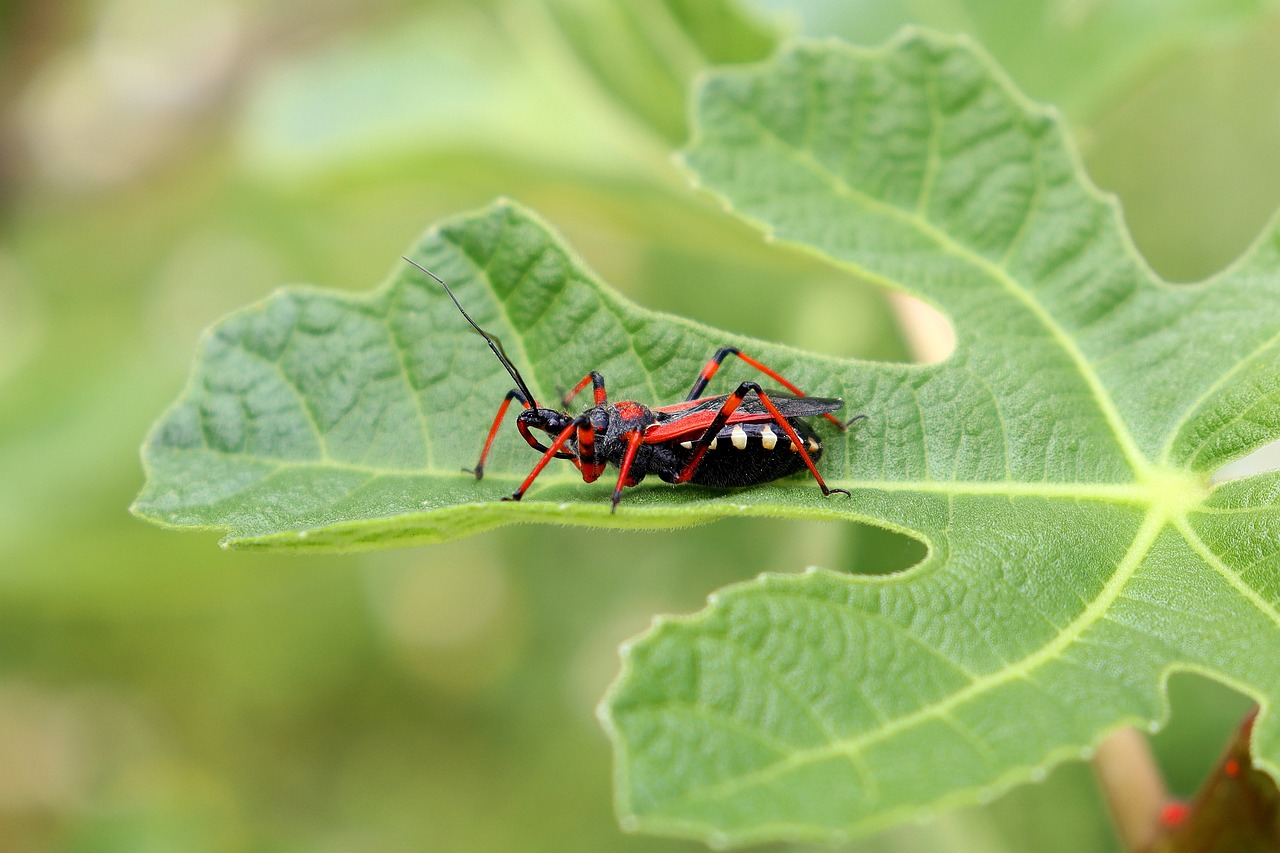
9. Assassin Bugs (Reduviidae)
Assassin bugs are ambush predators with a curved beak they use to stab prey and inject a paralyzing venom. They'll take on just about anything — aphids, leafhoppers, caterpillars, beetles, and even insects larger than themselves. They are genuinely impressive hunters.
A note of caution: assassin bugs can and will bite humans if handled, and it's unpleasant. Observe them from a distance and appreciate the work they're doing without picking them up.
How to attract them: Dense plantings, flowering herbs, and undisturbed areas of the garden give assassin bugs the hunting habitat they need.

10. Tachinid Flies (Tachinidae)
Tachinid flies look like large, bristly houseflies and are often ignored or swatted away. That's a mistake. They are one of the most important parasitoids in North American agriculture, with larvae that parasitize caterpillars, stink bugs, beetles, and sawfly larvae.
Female tachinids lay their eggs on or near host insects. When the larvae hatch, they bore into the host and feed internally, ultimately killing it. It's gruesome, it's effective, and it's happening all over your garden right now if your habitat supports them.
How to attract them: Like most beneficial flies and wasps, tachinids need nectar sources. Buckwheat, sweet clover, and herbs allowed to flower are excellent choices.

11. Dragonflies and Damselflies (Odonata)
If you have any water feature near your garden — even a small pond or barrel — dragonflies and damselflies will hunt in and around it. As adults, they're aerial predators catching mosquitoes, gnats, and small flies mid-flight with extraordinary precision. As aquatic larvae (nymphs), they consume mosquito larvae, helping knock down populations before they even emerge.
A dragonfly can eat hundreds of mosquitoes in a single day. If that's not enough to love them, I don't know what is.
How to attract them: Add a small water garden. Even a half-barrel with some aquatic plants and still water will bring them in. Avoid stocking the water with fish, which eat the nymphs.

12. Earthworms (Lumbricus terrestris)
Okay, technically not an insect — but no beneficial creature list for gardeners is complete without them. Earthworms are the silent engineers of a healthy garden, tunneling through soil to aerate it, breaking down organic matter, and producing castings that are among the richest natural fertilizers available.
A single acre of healthy garden soil can contain over a million earthworms. Their tunnels improve drainage, their castings improve nutrition, and their presence is one of the clearest indicators of soil health you'll ever find.
How to support them: Add compost regularly. Avoid tilling deeply, which destroys worm populations. Never use synthetic pesticides or chemical fertilizers, which damage soil biology. Mulch to keep soil moist.
The Bigger Picture: How to Build a Beneficial Insect Habitat
The single most important thing you can do for beneficial insects isn't to plant one specific flower or install one specific feature. It's to think in systems. Beneficial insects need food (nectar and prey), shelter (dense plantings, undisturbed soil, brush piles), water, and overwintering habitat (leaf litter, hollow stems, bark). When you provide all four, beneficial insects move in and stay.
- Diversify your plantings — monocultures don't support diverse insect communities
- Let some plants go to flower, especially herbs like dill, parsley, basil, and fennel
- Reduce or eliminate synthetic pesticides — even "organic" options like pyrethrin can harm beneficial insects
- Leave some leaf litter and brush in low-traffic areas for overwintering habitat
- Add a water source — a shallow dish with pebbles for landing spots works fine
- Plant native species — they've co-evolved with native insects and provide better support
Your garden doesn't need to be a perfectly manicured space to be productive. In fact, a little wildness — a few weeds allowed to flower, some stems left standing through winter, a patch of bare soil near a sunny wall — often makes the difference between a garden that struggles and one that thrives on its own momentum.
The bugs are already out there. Give them a reason to stay.
Whatever you're growing — grow it well.
Comments
Loading comments…