Why Late Summer Shifts the Math
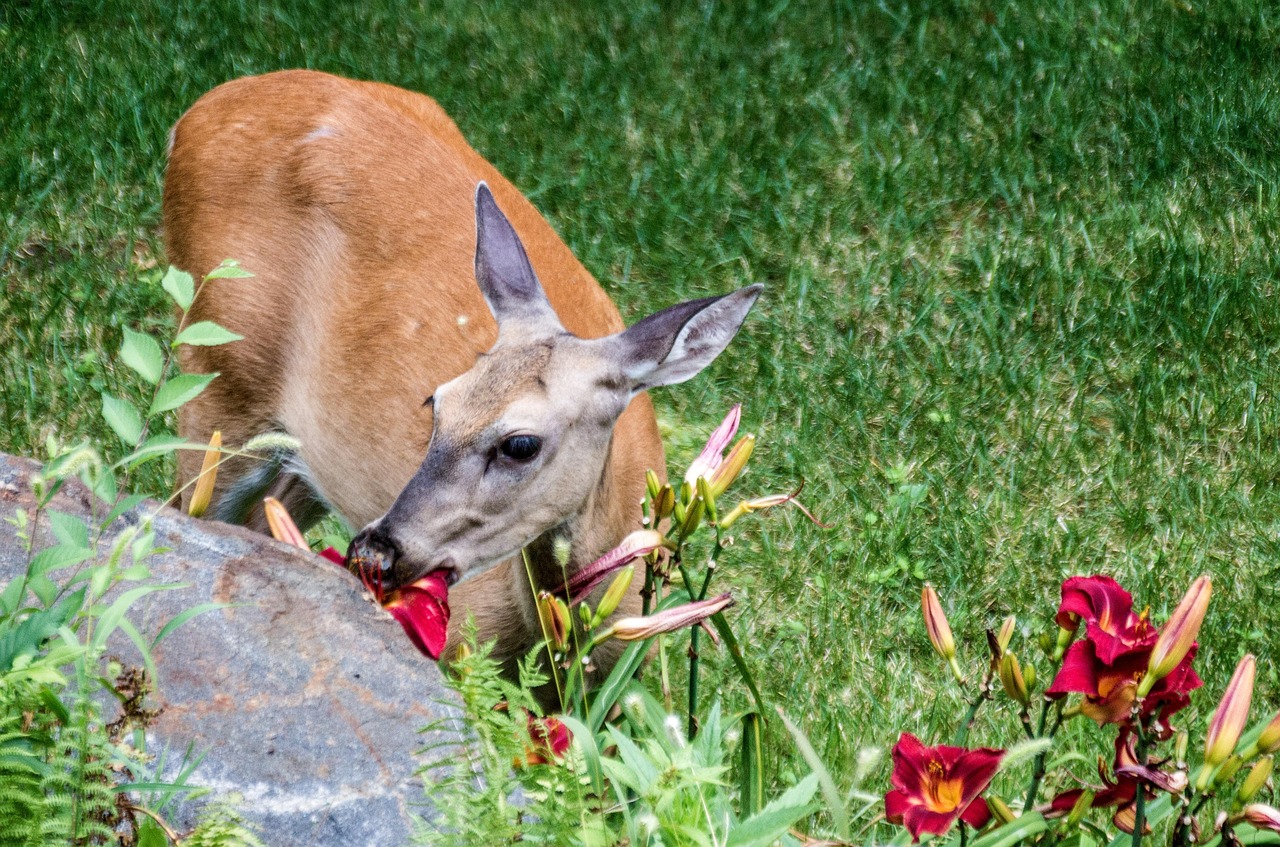
Deer browsing pressure isn't constant through the season — it tracks how much natural food is available. Through spring and early summer, wild forage is at its most abundant and deer have plenty of options that don't involve walking through your yard. By August, some of that wild vegetation has toughened up, dried out, or simply been eaten down, and a well-watered, actively growing vegetable garden starts looking like one of the better food sources around, especially in years with any drought stress on the wider landscape.
What Tends to Get Hit First
Deer show a real preference for tender new growth, which is part of why they'll often go for the newest leaves on beans, hostas, and similar soft-leaved plants before touching something tougher. Browsing damage has a distinctive look worth knowing for identification purposes: deer lack upper front teeth, so they tear rather than cleanly cut, leaving a ragged edge on stems and leaves rather than the neat snip you'd see from a rabbit or woodchuck.
Repellent Plants Help, But Don't Oversell Them
A border of strongly aromatic plants like alliums, lavender, sage, or rosemary genuinely does make an area somewhat less appealing to deer, since they tend to avoid heavily scented foliage when better options exist. The honest caveat: that preference weakens considerably once deer pressure is high or once other food sources get scarce enough, which is exactly the situation late summer tends to create. Treat aromatic borders as a mild deterrent that stacks with other defenses, not a standalone solution.
What Actually Stops a Determined Deer
Fencing at least 7 to 8 feet tall is the only fully reliable defense, since deer are strong enough jumpers that shorter fencing mostly just becomes a minor inconvenience rather than a real barrier. For gardens where a tall fence isn't practical, a double fence line spaced a few feet apart can work almost as well, since deer struggle to judge the combined jump distance even though neither fence alone is tall enough to stop them.
A Practical Middle Ground
If full fencing isn't in the cards this season, rotating repellent sprays (so deer don't simply get used to one scent) combined with motion-activated deterrents like sprinklers can meaningfully reduce damage even without a complete barrier. Our What Ate My Plants? tool can help confirm it's actually deer and not something else worth a different approach entirely.
Comments
Loading comments…